Importance of Medical Education in Modern Healthcare
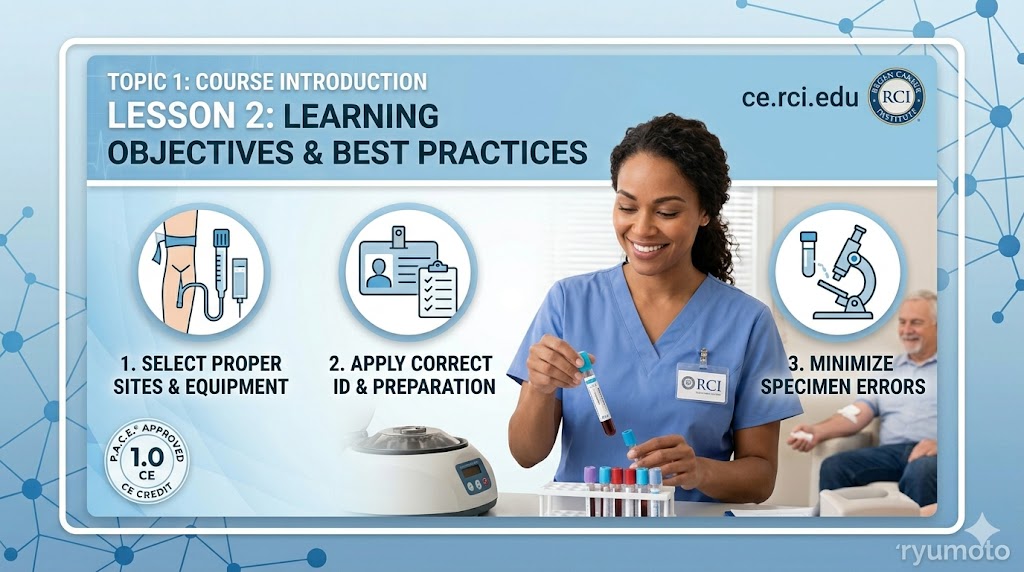
From AI integration to cross-platform fluency—discover the must-have technical and soft skills for today’s most in-demand dev roles.

by rcice
Medical education plays a vital role in building a strong healthcare system. It helps students and professionals gain the knowledge and practical skills needed to diagnose, treat, and prevent diseases effectively. With the rapid advancement of medical technology and healthcare practices, continuous learning has become essential for every medical professional.
Today, online learning platforms such as Tutor LMS are making medical education more accessible and flexible. Students can learn from expert instructors, access recorded lectures, take quizzes, and complete assignments from anywhere in the world. This modern approach improves learning efficiency and allows medical students to study at their own pace.
Medical courses cover a wide range of subjects, including anatomy, physiology, pharmacology, surgery, nursing, and public health. These courses help learners understand the human body, medical procedures, patient care, and healthcare ethics. Practical training and case studies further enhance the learning experience by preparing students for real-life medical situations.
In addition, medical education contributes significantly to public health awareness. Educated healthcare professionals can guide communities about disease prevention, healthy lifestyles, vaccinations, and emergency care. This ultimately leads to healthier societies and improved quality of life.
In conclusion, medical education is the foundation of quality healthcare services. By combining technology with professional training, platforms like Tutor LMS are helping shape the future of medical learning and empowering the next generation of healthcare professionals.